Specialist services for adults with speech, language, communication, voice and swallowing difficulties.
Speech, Language and Communication
Communication difficulties can result from a range of acquired neurological conditions. We offer comprehensive assessment and therapy for clients with a range of difficulties in speech, language or complex cognitive communication impairments.
Treatment packages can be centred around;
- Intensive rehabilitation post-acute injury such as Stroke or Traumatic Brain Injury
- Early intervention for clients with progressive conditions such as MND or Parkinson’s Disease using evidence based approaches such as LSVT and EMST promoting a higher level of functioning and independence from the point of diagnosis
- Maintenance support for clients and/or carers who require ongoing input centred around maximising their functional daily activities
- Support with maximising communication potential using Alternative and Augmentative (AAC) devices from personalised communication books to high tech electronic devices
See the How we Work for more information and getting in touch with our team.

Rehabilitative Palliative Care
Our team of therapists aim to provide professional and ethical care to those nearing their end of life. We aim to improve the quality of life of for both clients receiving palliative care and/or their carers who are supporting them by providing our dedicated expertise to optimise communication and swallowing function.
We can help with:
- Care planning
- Working collaboratively to provide specialist expertise to the hospice MDT
- Early intervention in order to plan and prepare for any deterioration in communication abilities especially for those with rapidly progressing conditions
- Supporting clients and their families in challenging decisions around alternative feeding and/or acknowledged risk feeding
Voice Disorders
- Vocal Cord Nodules and Polyps
- Vocal Cord Paralysis
- Muscle Tension Dysphonia
- Occupational Voice Misuse
- Assessment, treatment, and management of voice disorders.
- Individualised therapy programmes
- Collaborative working with ENT Consultants.
- Vocal hygiene advice
- Improving voice projection
- Reducing harmful vocal behaviours through exercises
- Reducing muscle tension that leads to poor vocal quality through relaxation and semi-occluded vocal tract exercises.
- Voice exercises for vocal fold palsy.
- Principles of Lee Silverman LOUD.
- Vocal Functional Exercises
- Reducing harmful vocal behaviours
- Reducing tension through relaxation and semi-occluded vocal tract exercises.


Long Covid
- vocal hoarseness constitutes 19% of initial symptoms of Covid-19.
- A European epidemiological study found that the 26.8 % of covid cases in their study had dysphonia.
- 49% of patients with Long Covid report speech and language issues
Dysphagia
Dysphagia is a disorder affecting eating, drinking and swallowing abilities. The cause of dysphagia can be the result of a number of health conditions. These can be divided into neurological causes, such as Stroke, Dementia, weakening of swallowing muscles, and mechanical causes, such as cancer, radiotherapy and head and neck surgery.
When swallowing is impaired, attempting to swallow foods or liquids can cause food to ‘go down the wrong way’, which can lead to the person choking on their food. This means food particles can travel down the windpipe into the lungs which can cause pneumonia. Signs of dysphagia can include pain on swallowing, ‘wet’ or gurgly voice, spilling of food and drinks from the mouth, frequent chest infections (as a result of aspiration) and choking. Early intervention by a speech and language therapist is important for safe and effective management of dysphagia.
At The Speech Therapy Clinic we can offer comprehensive assessment and management of dysphagia using evidence based therapy programmes. Our highly specialist therapists are trained in the use of neuromuscular electrical stimulation and accredited functional therapy plans such as the McNeil Dysphagia Therapy Plan.
Our therapists are also trained in videofluoroscopy assessment and analysis.

Family/Carer Support
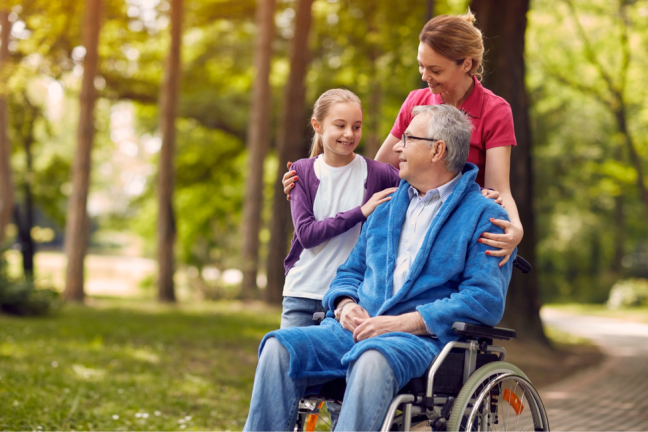
- Providing detailed information about the difficulties the individual is experiencing in a form that is both simple and easy to understand
- Supporting with carrying out specially designed speech and language therapy treatment programmes
- Providing advice on how family and carers can support the individual with their specific needs e.g. support in achieving modified food and diet textures.
- Increasing knowledge on specific conditions to help better support the individual.
- Supporting carers and family to lessen the effects of any adverse changes that can lead to stress and frustrations.
Stammering
- comprehensive assessment; in order to explore and better understand the stammer itself, thoughts and feelings associated with the stammer and recognise any avoidance behaviours.
- functional therapy and management techniques; a holistic approach using a range of different techniques (from desensitisation and cognitive behavioural therapy approaches to direct speech work) carefully chosen to best suit individual needs and requirements
- solution focused and goal centred approaches to help improve confidence and increase communication and participation
- self-management; providing the individual with a ‘toolkit’ enabling them to better manage their stammer and become ‘their own therapist’


Tele-health
Health services across the country have had to adapt in light of the pandemic over the past couple of years and The Speech Therapy Clinic is no different. We have adapted our service model to continue delivering high quality services using video technology which has been a huge success.
We offer tele-therapy services using safe and secure video technology platforms for those clients for whom it is clinically appropriate and in line with their preferences.
If you want to understand how tele therapy using video technology could work for you, please contact us for a free 15 minutes consultation where one of our therapists can talk you through the services we deliver and how we can help.
We can come to your address in Yorkshire and Greater Manchester, or we can do online/video sessions too. To get help for yourself or a loved one